AMERICAN SCIENCES

Science-Backed Wellness. Naturally Delivered.

Science, made useful

Know what is in the product—and the research behind it.

Every current American Sciences formula is built around the same two actives: BPC-157, a 15-amino-acid research peptide, and Acemannan, a bioactive polysaccharide derived from Aloe vera. This page describes both compounds and the published record behind them.

Our science standard
  1. 01Product factsClearly stated
  2. 02ResearchKept in context
  3. 03DirectionsEasy to find
READ / UNDERSTAND / CHOOSE
What is in our formulas

Two compounds, described plainly.

Structure and origin come first, before anyone reaches for a conclusion. A compound, its sequence and its source are the parts of a wellness label anyone can check.

01

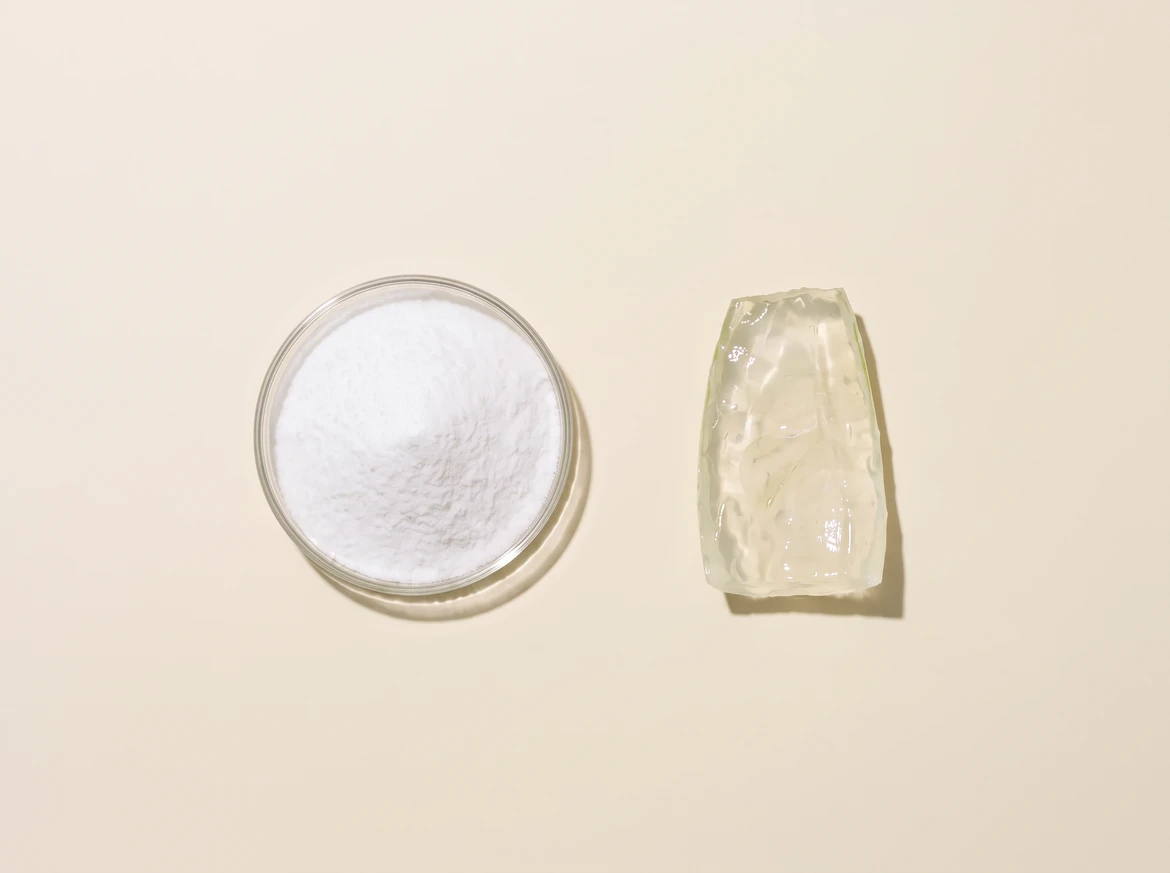
BPC-157

A synthetic 15-amino-acid peptide—sequence GEPPPGKPADDAGLV, molecular weight 1,419 Da—corresponding to a partial sequence of Body Protection Compound, a protein first isolated from human gastric juice. It is stable in gastric juice for more than 24 hours and active without a carrier, scaffold or controlled-release matrix.

Read the science
02

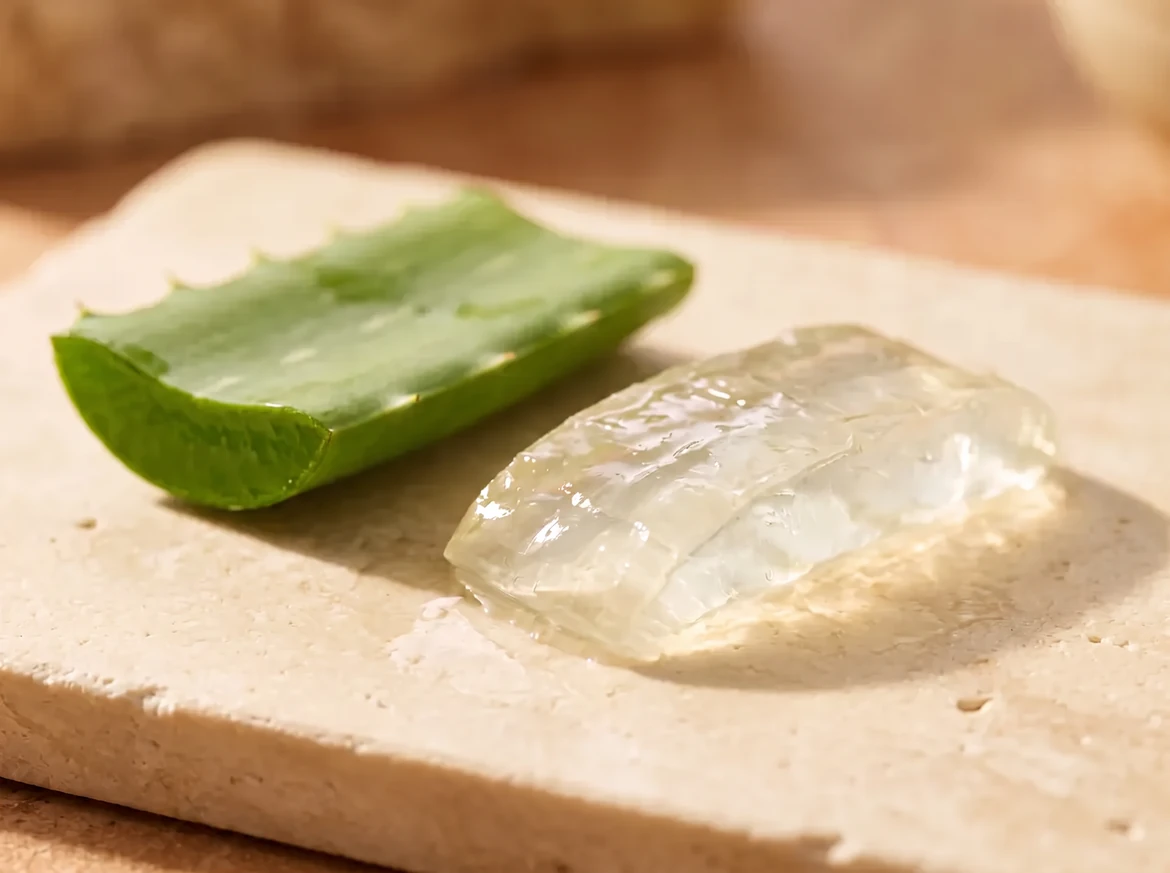
Acemannan

The principal bioactive polysaccharide fraction of Aloe barbadensis Miller inner leaf gel: an acetylated polymannose with a β-(1,4)-linked backbone, an average molecular weight of 40–60 kDa and more than 60% mannose content. It is recognized by pattern-recognition receptors of the innate immune system—the mannose receptor, TLR-4 and TLR-5—rather than through a single defined receptor.

Read the science
03

Why we pair them

The two compounds have been studied through different biological pathways that converge on fibroblast proliferation, type I collagen and VEGF-linked angiogenesis. Acemannan raises VEGF expression; BPC-157 activates the VEGFR2 receptor. One raises the signal, the other the sensitivity of the receiver.

The scientific partnership

We went back to the source of the science.

BPC-157 is widely available today, but the supply is fragmented and few sellers can tell you where their material came from or who did the science behind it. American Sciences is grounded in the original research: Professor Predrag Sikirić of the University of Zagreb School of Medicine—the physician, pharmacologist and professor widely recognized for developing BPC-157 and leading more than three decades of foundational research into the peptide—is a scientific partner to American Sciences, contributing subject-matter expertise and a direct connection to the originating literature. The same sourcing discipline applies to the second compound: Acemannan begins to degrade within a day or two of an aloe leaf being harvested unless it is stabilized in that window, which is why so little of what is sold as aloe carries meaningful stabilized Acemannan at all.

Scientific partner
Prof. Predrag Sikirić, University of Zagreb School of Medicine
Citations
More than 8,600 across the published record
Fields
Cardiovascular, musculoskeletal, neuroscience and resuscitation sciences
Recognition
Honorary Doctorate, University of Pécs, Hungary (2017)
Source set
Five review and original articles by the Sikirić group and collaborators — four published in Pharmaceuticals (2025–2026), one in revision
Sourcing
Traceable material, so origin, purity and manufacturing standard can be verified
BPC-157The research peptide in every formula
AcemannanThe aloe polysaccharide in every formula
Third-partyIndependent testing
Named amountsActives quantified on every product page
The published record

What the research reports—model by model.

Model, route and scope decide how much weight a finding can carry, so each record names them.

AS-R1

Tendon and ligament models

In rat Achilles and ligament transection models, BPC-157 improved functional indices, load to failure and collagen organization (Staresinic et al., 2003; reviewed in Pharmaceuticals 2026, 19, 309).

Rat, in vivo
AS-R2

Muscle models

In crush, transection and denervation models, BPC-157 accelerated myofiber regeneration, reduced necrosis and fibrosis, increased capillary density and improved contractility (Staresinic 2006; Brcic 2009; Mihovil et al., 2009).

Rat, in vivo
AS-R3

The nitric-oxide system

Across a three-agent test—L-NAME, L-arginine and both together—BPC-157 counteracted blockade, over-stimulation and immobilization of the NO system alike (reviewed in Pharmaceuticals 2025, 18, 928).

Rat studies
AS-R4

Balanced angiogenesis

Angiogenesis is promoted in tendon, muscle and hindlimb-ischemia models yet opposed in the cornea—selective activity the reviewing group advances as its safety argument.

Animal and in vitro
AS-R5

The topical route

Three of the five source papers report a topical arm: BPC-157 dissolved in distilled water and mixed into a neutral cream base at 1.0 or 0.01 µg per gram, with local outcomes comparable to systemic arms in the same studies.

Rat, local application
AS-R6

The Acemannan record

In gingival fibroblasts at 2–16 mg/mL, acemannan increased proliferation and upregulated KGF-1, VEGF and type I collagen; recognition runs through the mannose receptor, TLR-4 and TLR-5 (Jettanacheawchankit et al., 2009).

In vitro and rat
From research to routine

The same two actives, three formats.

Every format states its actives, amounts, other ingredients and directions on its product page: a one-gummy daily format, a cooling post-activity body cream and a provider-guided face cream.

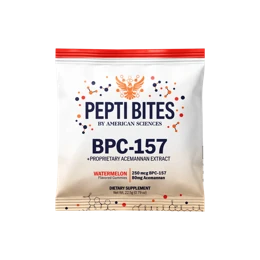
01Pepti Bites™ Watermelon, Coconut and Energy Drink packs in a row
One gummy, once daily — for adults

Pepti Bites™

Price$64.99

Two research-informed ingredients. Three flavors. One simple daily format.

  • BPC-157 + Acemannan — 250 mcg of BPC-157 and 80 mg of Acemannan in every gummy.
  • Convenient format — one gummy, once daily, designed to be simple to keep to within a regular routine.
View product
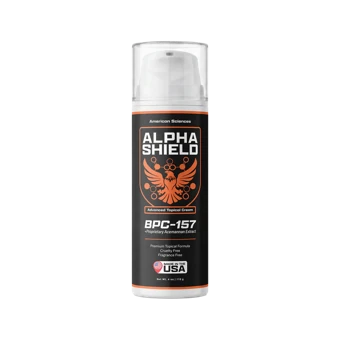
02Alpha Shield bottle head-on against a dark studio background
Post-activity muscle and joint care

Alpha Shield

Price$99.99

Advanced topical support for people who refuse to slow down.

  • BPC-157 + Acemannan — a 15-amino-acid research peptide with an aloe-derived polysaccharide in one targeted topical recovery formula.
  • Advanced cooling blend — delivers an immediate cooling sensation upon application, for focused post-activity comfort.
View product
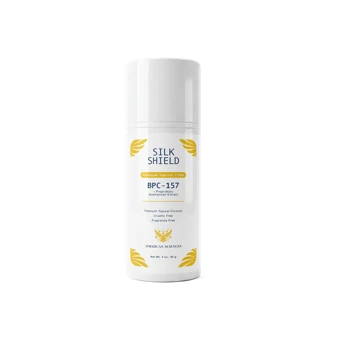
03Silk Shield bottle on a sunlit travertine ledge
Provider-guided post-procedure aftercare

Silk Shield

Price$149.99

Gentle, research-informed topical support for the next stage of a professional skincare routine.

  • BPC-157 + Acemannan — a 15-amino-acid research peptide with an Aloe vera-derived bioactive polysaccharide in one topical formula.
  • Post-procedure positioning — developed for topical use following appropriate professional cosmetic or aesthetic procedures, as directed by your provider.
View product
Questions

The short version.

Where can I compare the products?

Each product page brings its format, active amounts, ingredients, directions, options, price and current availability together.

What does third-party testing mean here?

Independent testing is part of the American Sciences quality program. Product- or batch-specific information applies only to the item and time period it identifies.

How should I choose a format?

Choose Pepti Bites™ for a one-gummy daily format, Alpha Shield for cooling post-activity body care, or Silk Shield for provider-guided face care.

Who is behind the research you cite?

The source set is five review and original articles authored by the group of Professor Predrag Sikirić at the University of Zagreb and collaborators. Professor Sikirić, widely recognized for developing BPC-157, is a scientific partner to American Sciences.

These statements have not been evaluated by the Food and Drug Administration. This product is not intended to diagnose, treat, cure, or prevent any disease.

Research described on this page reflects published studies of the individual ingredients.