
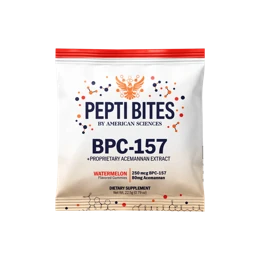
Pepti Bites™
One gummy, once daily — for adults
$64.99View product
Acetylated polymannose · aloe vera inner leaf
Often described as one of nature's most powerful immune-optimizing molecules: roughly 95% mannose, a profile remarkably similar to the immune-supporting polysaccharides found in human breast milk.
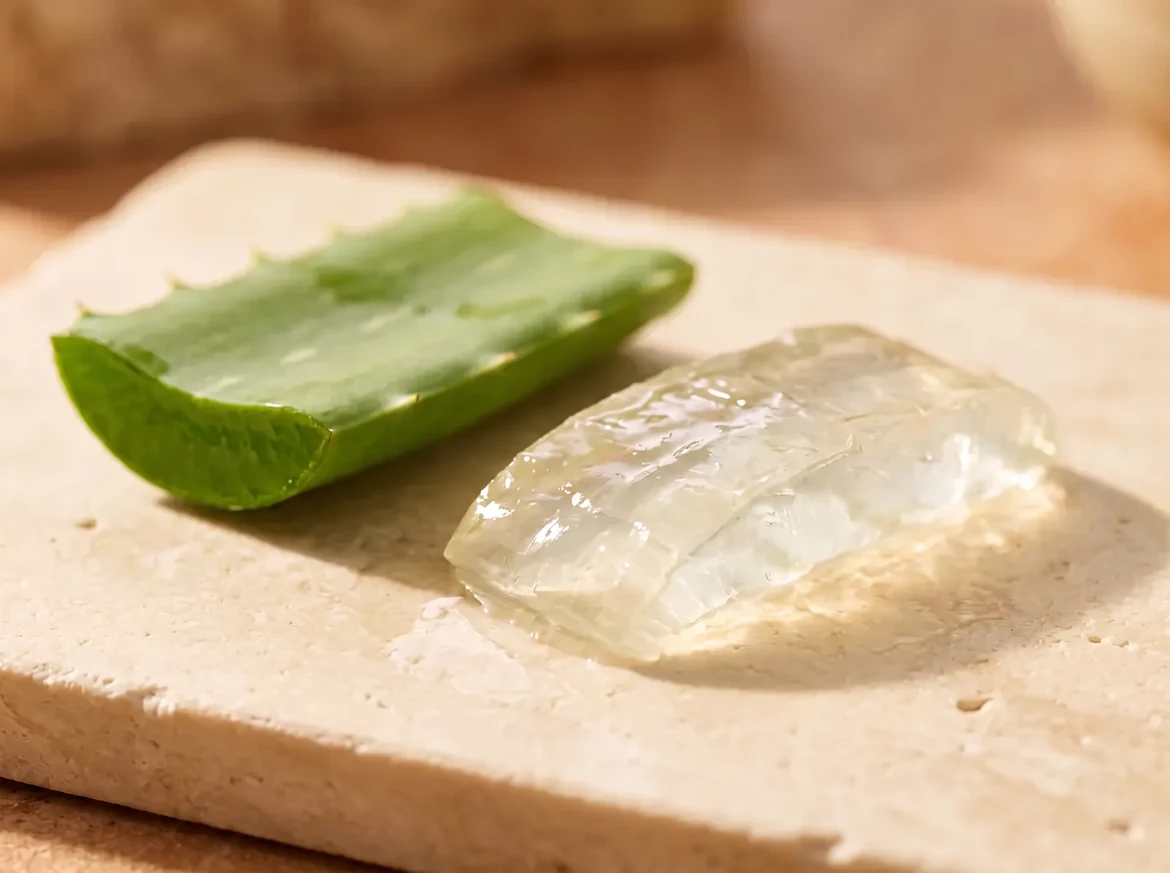
Acemannan is extremely fragile. Once an aloe leaf is harvested, the molecules begin to degrade within 24 to 48 hours. If they aren't stabilized inside that window, the molecule loses its ability to influence the immune system.
As a result, an estimated 99% of commercial aloe products contain little to no stabilized Acemannan. That is the difference between an ingredient list and an active quantity, and it is the reason this one is stated on the label.
Pharmacologists first identified Acemannan and developed the original stabilization process, work that led to more than 30 U.S. patents. Carrington Labs alone invested over $100 million establishing its safety and efficacy. The USDA approved Acemannan as a veterinary immunostimulant: in small animals, in poultry, and for topical wound care.
In 1993, the FDA declined a new drug application for human use. The decision came down to how a drug is defined: a drug must alter disease physiology. Acemannan was considered non-toxic precisely because it supports and enhances normal physiology rather than altering it.
Research suggests that Acemannan's activation of macrophages may help enhance stem-cell production, with studies reporting increases of 300%–400%; the body's production of glutathione, by as much as 50%; and the immune system's ability to detect and clear infected cells.*
One gummy, once daily — for adults
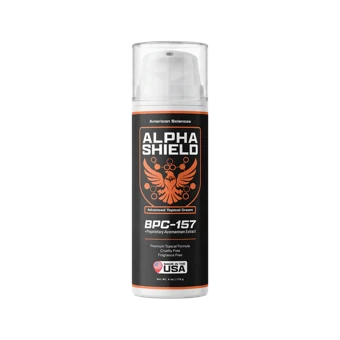
Post-activity muscle and joint care
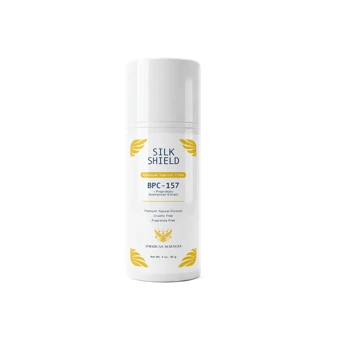
Provider-guided post-procedure aftercare
Note on statements marked with an asterisk: These statements have not been evaluated by the Food and Drug Administration. This product is not intended to diagnose, treat, cure, or prevent any disease.
Research described on this page reflects published studies of the individual ingredients.