
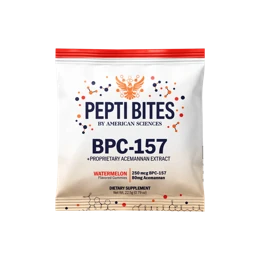
Pepti Bites™
One gummy, once daily — for adults
$64.99View product
Body Protection Compound · 15-amino-acid peptide
A peptide with five decades of research behind it, and a story about what happens when promising science becomes inconvenient for an industry built on patentable, high-margin drugs.
For more than five decades, Croatian pharmacologist Dr. Predrag Sikirić has quietly built one of the most compelling bodies of peptide research in modern science. Working out of the University of Zagreb, Sikirić and his team identified BPC-157 (Body Protection Compound), a 15-amino-acid peptide derived from a protein found in gastric juice, and studied for its hypothesized ability to help the body return to homeostasis after physical stress.
The research is extensive. Hundreds of studies in animal models have documented the peptide's potential role in tissue repair, blood-vessel regulation, nitric-oxide modulation, and gastrointestinal protection, with few, if any, side effects reported across the published literature.
Despite promising early results, corporate pharmaceutical interests ultimately passed on BPC-157, not because of safety concerns or failed efficacy data, but because it didn't fit their pipeline priorities. The research returned to Sikirić, who continued without industry backing, billion-dollar funding, or a corporate agenda driving the science.
Meanwhile, the compound found its own audience. Athletes, biohackers, and people with chronic, unmet needs discovered the research for themselves. We believe the story of BPC-157 is what happens when promising science becomes inconvenient for an industry built on patentable, high-margin drugs.
Over 8,600 academic citations across more than three decades of published research, spanning cardiovascular, musculoskeletal, neuroscience and resuscitation sciences, and an honorary doctorate from the University of Pécs, Hungary, in 2017.
His research remains the foundational body of work upon which BPC-157 science is built worldwide. We went back to the source, because when it comes to what you put in your body, the origin of the science matters as much as the compound itself.
One gummy, once daily — for adults
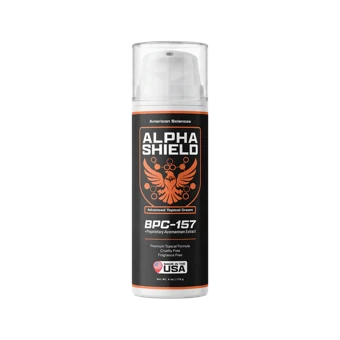
Post-activity muscle and joint care
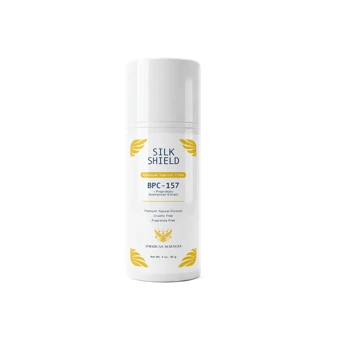
Provider-guided post-procedure aftercare
These statements have not been evaluated by the Food and Drug Administration. This product is not intended to diagnose, treat, cure, or prevent any disease.
Research described on this page reflects published studies of the individual ingredients.