

Lilly Beach Advances a Pro-America Vision Through American Sciences
American Sciences combines science-led product development with a commitment to domestic manufacturing, secure supply chains and American industrial independence.
American Sciences
In July our founder asked the FDA to help bring BPC-157 into an American framework, with real standards. Four months later, here is how far the conversation has moved.
American Sciences
On 23 July 2026, our founder Lilly Beach spoke to the FDA's Pharmacy Compounding Advisory Committee. Her case was simple. Americans are already looking for BPC-157, and they deserve an American source they can trust, made and tested to American standards.
Four months on, the conversation has moved further and faster than many expected.
Over two days, on 23 and 24 July, the committee reviewed seven peptides. BPC-157 was first on the agenda, and the committee voted 8 to 6 to recommend it for the 503A bulks list, the list of ingredients licensed pharmacies may use when they compound for individual patients.
By the close of the meeting, six of the seven peptides had been recommended. The votes are advice to the FDA rather than a final decision, but they sent a clear signal.
On 28 October, the Department of Health and Human Services filed an interim policy, published in the Federal Register on 30 October. While the FDA completes its formal review, licensed pharmacies, federal facilities and licensed physicians may compound six peptides, including BPC-157, for patients with a prescription.
The conditions read like a checklist for accountability:
In the Secretary's own words, the policy “will discourage the continued, widespread use of certain research-use-only peptides supplied by foreign manufacturers that pose a safety risk to US patients.”
That is the heart of what Lilly told the committee in July: “Gray markets care little about quality or safety.” Leaving a market without standards does not make demand go away. It only removes oversight. The better answer is quality, traceability and a source that answers to Americans.
The policy is interim. It applies until the FDA settles each peptide's place on the 503A bulks list through formal rulemaking, with a proposed rule and a public comment period still to come. HHS can revisit the policy if a safety or quality issue arises, and some medical groups have asked for it to be reconsidered. The policy covers compounding by licensed pharmacies and physicians, for individual patients with a prescription.
Our mission has not changed. We work with Professor Predrag Sikirić, a central figure in the early development and decades-long study of BPC-157. We believe the science should be developed, made and tested here, with an American company standing behind every batch.
Four months ago, Lilly asked the committee to help raise the bar, not lower it. We are encouraged by how far the conversation has come, and we will keep taking part as the FDA's review continues.
Read Lilly's testimony in full
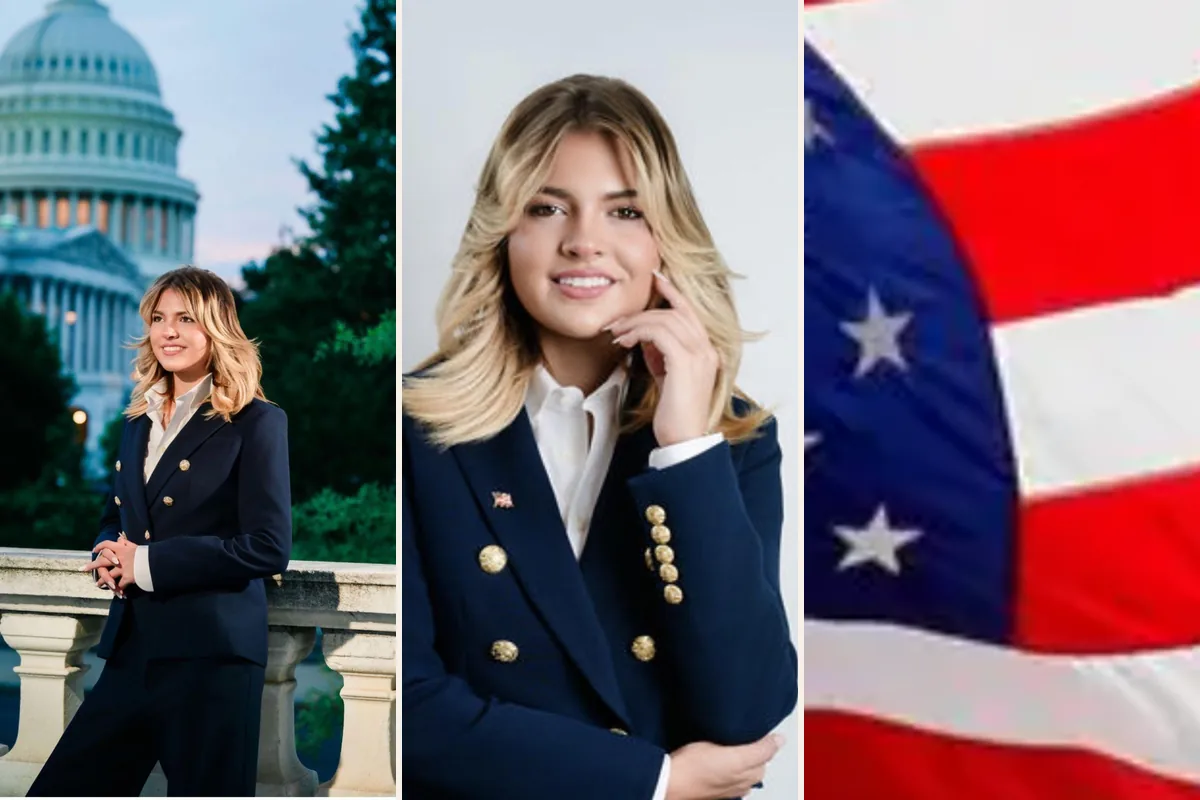
American Sciences combines science-led product development with a commitment to domestic manufacturing, secure supply chains and American industrial independence.
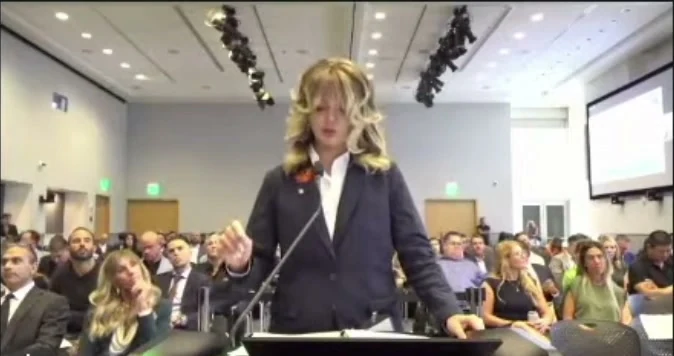
On 23 July 2026 our founder gave testimony to the FDA's Pharmacy Compounding Advisory Committee. Here are her words in full.